
Alternative Data in Credit Analysis: Expanding Horizons, Maximizing Results
- 5 May 2025
- Credit
The data revolution is transforming how financial institutions assess who deserves credit. Discover how information beyond traditional banking history is creating a more inclusive and accurate system.
Summary
- Introduction: The Problem with the Traditional Model
- What is Unconventional Data?
- Alternative Data Types that are Changing the Game
- Why It Matters: The Value Proposition
- Success Stories: Who's Using It and How
- Challenges and Ethical Considerations
- Technological Infrastructure: The Backbone of the Revolution
- Financial Inclusion: Democratizing Access to Credit
- The Future of Credit Analysis
- Conclusion
Introduction: The Problem with the Traditional Model
Imagine being perfectly capable of paying back a loan, only to be denied because you've never had a credit card before. That's the reality for millions of people around the world.
Traditional credit analysis methods are like an exclusive club: if you don't have a credit history, previous loan payments or a mortgage, the doors remain closed. This approach creates a frustrating paradox - you need credit to get credit.
"Traditional credit analysis, by focusing primarily on past lending behavior, may not provide a comprehensive view of an individual or company's current financial capacity."
In an increasingly dynamic economic world, where financial circumstances change rapidly, this static system leaves many people out. And we're not just talking about individuals - small businesses, entrepreneurs and start-ups suffer from the same problem.
This is where the unconventional data revolution comes in.
What is Alternative Data?
Unconventional (or alternative) data is information used to assess creditworthiness that is not part of traditional credit agency reports. This is data that exists outside the conventional financial ecosystem, but which can reveal a lot about the financial responsibility of a person or company.
Unlike traditional data, which relies mainly on credit card usage, loan payments and mortgage history, unconventional data opens a window to a more holistic and up-to-date view of financial behavior.
The main difference: while traditional data looks at what you have done in the past within the banking system, alternative data analyzes what you are doing now in various aspects of your life.
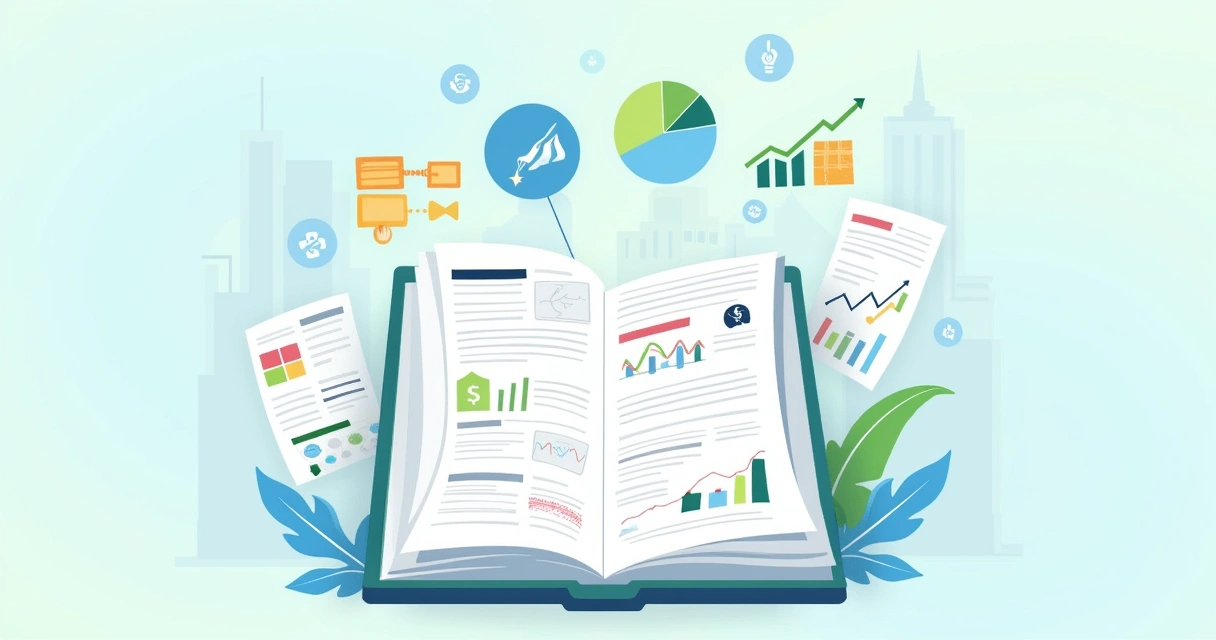
Alternative Data That's Changing the Game
The unconventional data revolution is happening on several fronts. Here are the main types of data that are transforming credit analysis:
1. Transaction data 💰
What they are Information about your daily financial behavior.
- Banking transactions (deposits, withdrawals, transfers)
- E-commerce activities (online shopping patterns)
- Data from payment applications (such as transfers via Pix)
Why they matter: They reveal your real cash flow, spending habits and financial stability in a dynamic way. Consistent income, responsible spending and healthy balances are strong indicators of your ability to repay loans.
2. Digital Footprint 🖥️
What it is: Your online behavior and presence.
- Website behavior (browsing data, time spent)
- Mobile device data (type of device, usage patterns)
Why it matters: It can offer insights into lifestyle, reliability and potential risk factors. Patterns of digital activity can also help detect possible fraud.
3. Payment History Beyond Credit 📱
What it is: How you deal with recurring financial obligations.
- Utility payments (electricity, water, gas)
- Rent
- Telecommunications (internet, telephone)
Why it matters: Timely payments of these essential bills are a strong indicator of financial responsibility, especially for those with limited credit history.
4. Public Registries and Alternative Financial Services 📄
What they are: Publicly available information and the use of non-traditional financial services.
- Repayments of non-traditional loans
- Public registers (property ownership, tax liens)
- Use of alternative financial services
Why they matter: They reveal past financial difficulties or responsible use of non-traditional credit products.
5. Income tax return data 🧾
What they are Information contained in your annual income tax return that reveals your financial situation and can complement traditional credit analysis.
- Income and Sources of Income: Details of your salaries, fees, rents received, investments and other sources of income.
- Assets: Information about your assets, such as real estate, vehicles, financial investments and other assets.
- Obligations and Debts: Data on loans, financing and other debts you have.
- Dependents: Information about your financial dependents.
- Deductible Expenses: Expenses for health, education and other categories that can indicate your financial capacity and responsibility for obligations.
Why they matter: By considering income tax return data as alternative information, financial institutions can obtain a more complete and fairer credit assessment, especially for individuals with limited or atypical credit history.

Why It Matters: The Value Proposition
Unconventional data isn't just complementing traditional methods - it's completely transforming the credit analysis landscape. Here's the real value behind this change:
1. More complete and accurate analysis
Alternative data fills in the gaps left by traditional methods. By combining historical information with current behavioral data, lenders get a 360° view of an individual's financial capacity.
2. More accurate risk forecasts
Greater accuracy in predicting credit risk leads to reduced default rates and better-informed lending decisions. This is a win-win: lenders improve the performance of their portfolio, and good payers receive more favorable terms.
3. Democratizing Access to Credit
Perhaps the most important benefit: unconventional data makes it possible to assess people with limited or no credit history - so-called "credit invisibles" or customers with "thin files". This expands access to credit to a wider population, boosting financial inclusion.
"Unconventional data can unlock credit opportunities for individuals previously excluded from the formal financial system."
Success Stories: Who's Using It and How
Several financial institutions and fintechs are already reaping the benefits of unconventional data. Here are some notable examples:
Experian Boost
It allows consumers to include their household bill payments on their credit reports, potentially improving their FICO Score.
FICO Score XD
It uses alternative financial data, such as payment history for telephone bills, utilities and rent, to evaluate individuals previously considered "unscorable".
Open Banking APIs
Fintechs are leveraging bank transaction data through Open Banking APIs to gain insights that enable innovative financial solutions, improve user experiences and simplify business operations.
LexisNexis Risk Solutions
It uses public records, utility data, telecommunications and identity to improve risk assessment and increase financial inclusion.
Nova Credit
Specializes in using international credit data, utility payments and rental history to expand access to credit for immigrants.
These initiatives have led to concrete results:
- Increase in credit approval rates
- Improved risk management
- Expanding the market for lenders
- Greater financial inclusion

Challenges and Ethical Considerations
Like any technological revolution, the use of unconventional data brings challenges that need to be faced responsibly:
1. Data privacy
The collection and analysis of personal information from various sources raises significant concerns about the protection of sensitive data. As more data points are analyzed, robust security measures and clear privacy policies become essential.
2. Bias and Discrimination
There is a real risk that algorithms will be trained on distorted or unrepresentative data, leading to unfair results for certain demographic groups. For example, using geolocation data can lead to unfair results in a credit analysis, especially for demographic groups with lower purchasing power. Therefore, careful model development, bias detection techniques and continuous monitoring are necessary to avoid perpetuating existing inequalities.
3. Regulatory Compliance
Regulatory frameworks are key to setting ethical standards. In the US, the Fair Credit Reporting Act (FCRA) and the Equal Credit Opportunity Act (ECOA) govern data accuracy, consumer rights and non-discrimination. In Europe, the GDPR imposes strict rules on the use of personal data.
"Navigating the regulatory landscape is crucial for the responsible and legal use of unconventional data in credit analysis."
Technological Infrastructure: The Backbone of the Revolution
Behind this transformation is a robust technological infrastructure that makes it possible to collect, process and analyze complex data:
Artificial Intelligence and Machine Learning
AI and ML are essential for extracting meaningful insights from the vast, unstructured nature of much unconventional data. These technologies enable the development of sophisticated scoring models that can take advantage of a wide range of data points.
Open Banking APIs
Open Banking provides a standardized and secure way to access valuable financial data for credit assessment. This allows lenders to gain real-time insights into an applicant's financial situation, with their explicit permission.
Data Aggregation Platforms
A growing ecosystem of technology providers is emerging to support the collection, processing, analysis and integration of alternative data into existing risk management systems.
Financial Inclusion: Democratizing Access to Credit
One of the most transformative aspects of unconventional data is its potential to promote financial inclusion:
Reaching the "Credit Invisibles"
Unconventional data has the power to democratize access to credit:
- Young adults with no credit history
- New immigrants
- Informal economy workers
- Small start-ups
Creating a More Equitable Financial System
The thoughtful and ethical use of unconventional data can help address systemic biases in credit evaluation. By considering a wider range of financial behaviors, lenders can potentially create fairer and more accurate evaluations for diverse populations.

The Future of Credit Analysis
The role of non-conventional data in credit analysis is evolving rapidly, with its ever-increasing integration into conventional lending practices. To take full advantage of this potential:
Recommendations for Financial Institutions
- Invest in the infrastructure and expertise needed to integrate and analyze unconventional data
- Adopting AI and ML technologies
- Taking advantage of Open Banking APIs
- Collaborate with specialized alternative data providers
The Role of Regulators
Regulators must develop clear guidelines and standards that promote innovation while ensuring consumer protection and fair lending practices.
Technology suppliers
Develop innovative tools and platforms that facilitate the safe and ethical collection, processing and analysis of unconventional data, including:
- Improving privacy measures
- Development of bias detection algorithms
- Ensuring transparency in scoring processes
Conclusion
Unconventional data represents a paradigm shift in credit analysis. By going beyond traditional credit reports and considering a broader spectrum of financial behaviors, lenders can form a more complete and accurate view of creditworthiness.
The promise is clear: a more inclusive financial system, where access to credit is determined not just by formal banking history, but by a holistic assessment of financial responsibility. However, this promise will only be fulfilled if the industry adopts an ethical, transparent and consumer-centered approach.
The future of credit analysis isn't just about more data - it's about better data, used more intelligently, for fairer decisions.
About 4KST
As part of the select group of 'DeepTechs' (science-based technology companies), we were born out of a leading artificial intelligence research center in Brazil with the mission of helping companies make better AI-driven decisions.
We keep our clients ahead of the competition by rapidly developing the most accurate AI models on the market through the application of state-of-the-art Machine Learning. Our proprietary Adaptive AI technology ensures that predictions and analysis remain assertive and relevant to different sectors and value chains, even in highly dynamic and unpredictable business environments.
Related articles

Stay ahead
of the competition
Optimize your strategic decisions with the most assertive
forecasts on the market.
-
 LGPD compliance
 -
BCB Resolution 85/2021
-
ISO/ISE 27001:2022 certification